In today’s fast-paced digital world, gaming has transformed from a simple hobby into a cultural phenomenon. Among the many gaming communities, “Game Overdertoza” has emerged as a sensation, attracting millions of players worldwide. While it offers thrilling experiences and social interaction, there’s a darker side: the potential for addiction. Understanding the nuances of game overdertoza addiction is essential for gamers, families, and mental health professionals alike.
What is Game Overdertoza Addiction?
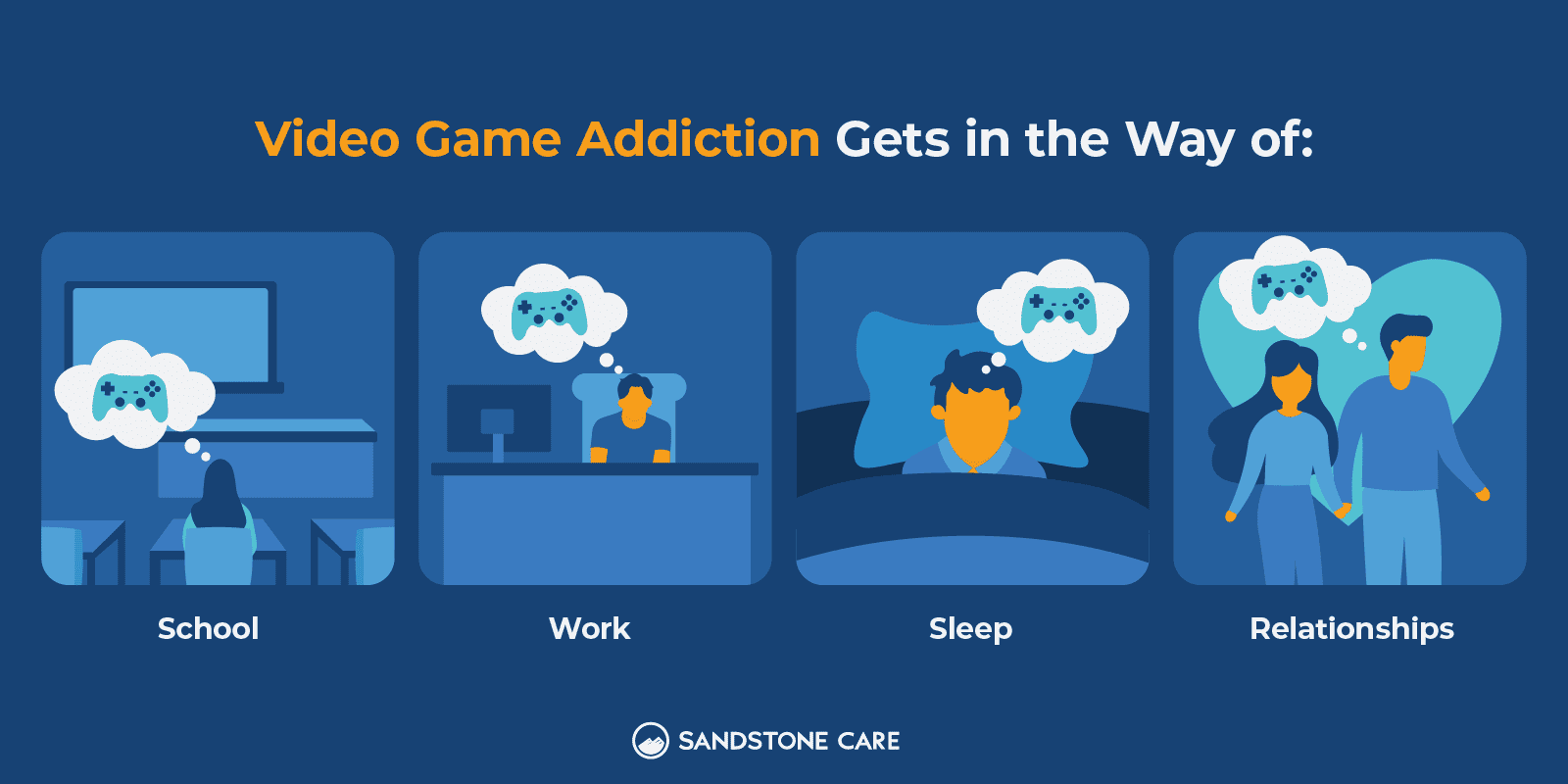
Game overdertoza addiction refers to a compulsive pattern of gaming behavior related to the popular “Game Overdertoza” franchise. Players may find themselves unable to limit their playtime, prioritizing the game over work, school, or personal relationships. This isn’t just about spending many hours gaming; it’s about how this behavior starts to interfere with everyday life, mental well-being, and physical health.
Experts define gaming addiction as a behavioral addiction, akin to gambling, where the brain’s reward system is overstimulated by repetitive gaming actions. Over time, players can experience cravings, withdrawal symptoms, and decreased motivation to engage in offline activities.
Why Game Overdertoza is Highly Addictive
Several factors make this particular game so compelling:
-
Reward Loops – The game uses a system of challenges, achievements, and unlockables that triggers dopamine release in the brain, creating a sense of pleasure and accomplishment.
-
Social Connectivity – Many players interact in online communities, forming friendships and rivalries that strengthen their commitment to the game.
-
Escapism – For some, the game serves as an escape from real-life stress, school pressure, or social anxiety.
-
Continuous Updates – Frequent updates, new levels, and in-game events keep players engaged over the long term.
I remember a time when I spent nearly eight hours in a single day trying to unlock a rare item—an experience that made me realize how easy it is to get pulled into the game’s world without even noticing the time passing.
Real-World Impacts of Addiction
The consequences of game overdertoza addiction extend beyond wasted time. Some common effects include:
-
Sleep Deprivation – Late-night gaming disrupts sleep patterns, affecting mood and cognitive function.
-
Decline in Academic or Work Performance – Players may neglect responsibilities, missing deadlines or struggling with focus.
-
Mental Health Struggles – Anxiety, depression, and irritability can result from prolonged gaming and social withdrawal.
-
Physical Health Concerns – Extended periods of inactivity can lead to poor posture, eye strain, and other physical ailments.
Real-Life Consequences of Excessive Game Overdertoza Play
Consider Alex, a college student who started playing Game Overdertoza casually during his free time. Within months, he found himself skipping lectures and avoiding social activities. Despite recognizing the negative impact, the game’s constant updates and online social interactions kept him engaged. Only after seeking support from peers and implementing structured gaming schedules did Alex regain balance.
Signs You Might Be Developing an Addiction
Recognizing problematic behavior early can prevent severe consequences. Here are some indicators:
| Behavioral Signs | Emotional/Physical Signs |
|---|---|
| Preoccupation with game progress | Mood swings when unable to play |
| Neglecting responsibilities | Irritability and frustration |
| Lying about time spent gaming | Sleep problems and fatigue |
| Failed attempts to cut down | Headaches, eye strain, poor nutrition |
This table highlights how addiction manifests both mentally and physically, emphasizing that intervention should address multiple aspects of a player’s life.
Strategies to Combat Game Overdertoza Addiction
Overcoming addiction requires a balanced, sustainable approach rather than simply quitting cold turkey. Here are effective strategies:
-
Set Clear Limits – Allocate specific gaming hours and stick to them.
-
Track Progress – Use apps or journals to monitor gaming time and triggers.
-
Engage in Offline Activities – Exercise, hobbies, or social gatherings can provide alternative sources of pleasure.
-
Seek Professional Support – Therapists and counselors trained in behavioral addictions can help develop coping mechanisms.
-
Create a Support Network – Friends and family can encourage moderation and provide accountability.
Blending gaming with life’s other rewarding experiences, such as exploring new hobbies or connecting with loved ones, not only reduces addictive tendencies but also enhances overall life satisfaction.
Comparison: Game Overdertoza vs. Other Popular Games
| Feature | Game Overdertoza | Other Popular Games |
|---|---|---|
| Community Interaction | High | Moderate |
| Updates Frequency | Very Frequent | Moderate |
| Difficulty Curve | Gradual but addictive | Varies |
| Reward System | Highly engaging | Standard |
| Addiction Potential | High | Moderate |
This comparison shows why Game Overdertoza tends to create a more immersive, potentially addictive experience than many other games on the market.
The Unique Value of Controlled Gaming
Interestingly, enjoying Game Overdertoza responsibly can provide cognitive and social benefits. Strategic gameplay can improve problem-solving skills, hand-eye coordination, and teamwork. Structured playtime, combined with real-life activities, transforms gaming from a potential risk into a tool for growth, relaxation, and connection.
Read More: FeedBuzzard Com Latest: Real-Time Updates & Insights
Conclusion
Game overdertoza addiction is a growing concern in the digital era, affecting millions of players worldwide. Awareness, early recognition, and structured strategies are key to maintaining a healthy relationship with gaming. By balancing virtual engagement with offline responsibilities and connections, players can enjoy all the excitement the game offers without sacrificing mental, physical, or social well-being.
FAQs
Q1: Can anyone become addicted to Game Overdertoza?
Yes, while susceptibility varies, anyone who engages excessively with the game’s reward systems and social features can develop addictive tendencies.
Q2: How long does it take to overcome addiction?
Recovery is individualized. Some may regain balance in weeks with structured schedules, while others might need months with professional guidance.
Q3: Are there health benefits to gaming?
Yes. When done responsibly, gaming can improve cognitive skills, hand-eye coordination, and social interaction.
Q4: What should parents or guardians look for?
Parents should watch for changes in mood, sleep, social engagement, and academic or work performance. Open communication and setting boundaries are crucial.
Q5: Is professional help necessary?
Not always, but if addiction is affecting multiple aspects of life, consulting a mental health professional is strongly recommended.